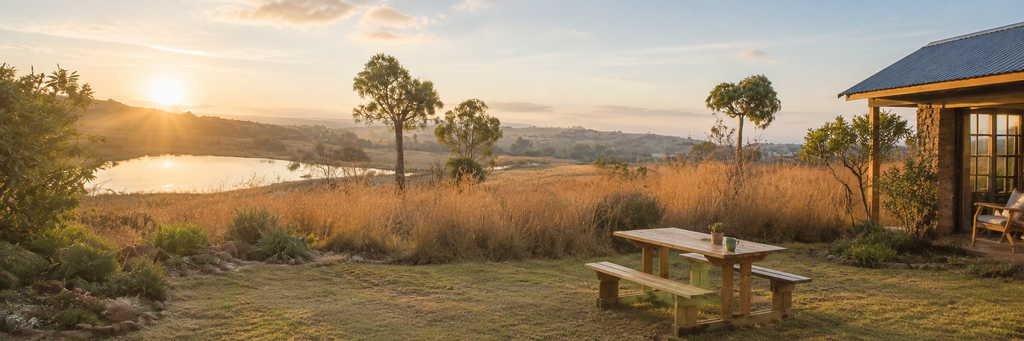
Academic Retreats
Protected time and structured support to help you make meaningful research progress.
Academic Retreats create focused space away from everyday demands so you can work intentionally on your research. The emphasis is not simply on spending more time at your desk, but on using that time with clear priorities, realistic goals and appropriate support.
Is an Academic Retreat right for you?
An Academic Retreat may be a good fit if you need dedicated time, structure and accountability to make progress on a specific part of your research.

You struggle to protect uninterrupted research time
Work, family and everyday responsibilities make it difficult to create sustained periods of focused research.
You need a focused push on a specific milestone
You may be working toward a proposal, chapter, analysis milestone, revision or submission deadline and need concentrated time to move it forward.
You work better with structure and accountability
Clear goals, planned working sessions and regular check-ins can help you use your time more intentionally.
You want focused research time with support available
You want protected space to work independently, while still having access to guidance when you need to clarify a problem or make a decision.
What happens during an Academic Retreat?
Each retreat is structured around a clear research goal so that your time is purposeful, realistic and focused on progress.
Plan your focus
Start by identifying the research task or milestone you want to move forward and define a realistic outcome for the retreat.
Work in focused blocks
Use protected working time to concentrate on your research, with structure and support available to help you stay on track.
Review progress and next steps
Reflect on what you achieved, identify what still needs attention and leave with a clear plan for what comes next.
What can you work on during a retreat?
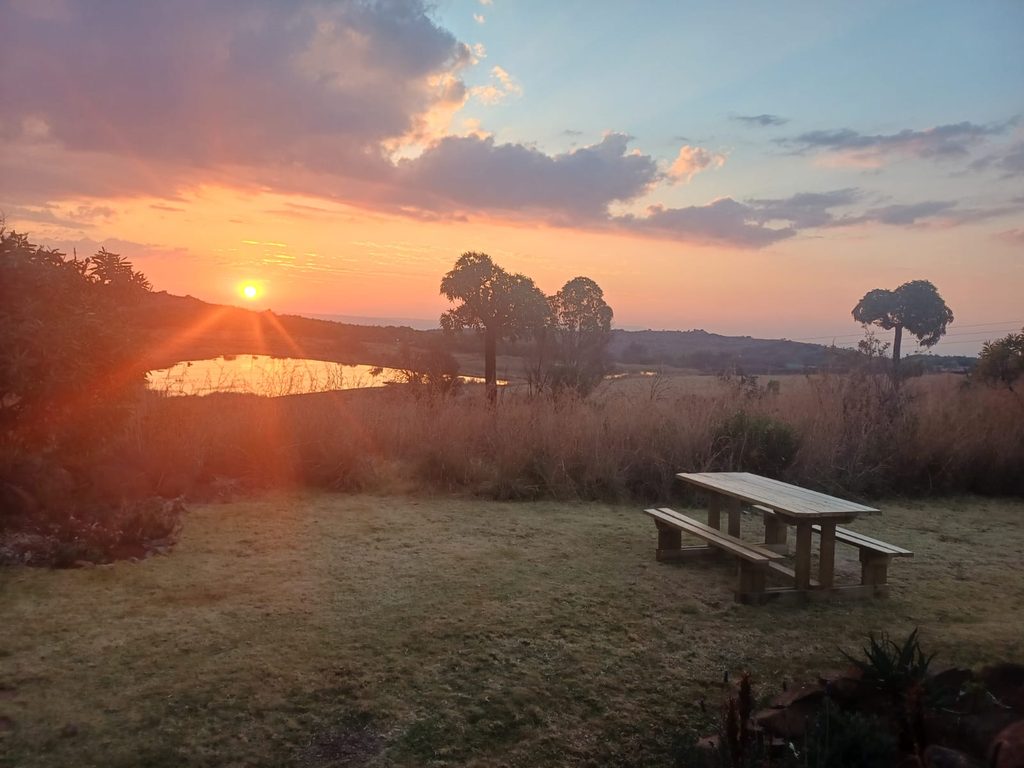
Academic Retreats can be used for different stages of the research process. The important thing is to arrive with a clear, realistic focus for the time available.
Proposal development
Work on structure, argument, research questions, methodology or revisions to your proposal.
Literature review or chapter writing
Use focused time to draft, reorganise or strengthen a chapter or substantial section of your research.
Data analysis
Work through qualitative or quantitative analysis tasks, interpretation and organisation of findings.
Responding to feedback
Work systematically through supervisor, examiner or committee feedback and plan the required revisions.
Revisions and editing
Strengthen structure, coherence, presentation and consistency across a section of your dissertation or thesis.
Submission preparation
Focus on final revisions, outstanding sections, formatting priorities and the practical steps required before submission.
What’s included in an Academic Retreat?

Each retreat combines protected working time with enough structure and support to help you use that time purposefully.
Focused research time
Dedicated blocks of uninterrupted time to work on the research task or milestone you have identified.
Goal setting and planning
A clear focus for the retreat, with realistic objectives that help you decide what progress will look like for the time available.
Check-ins and accountability
Structured check-ins help you review progress, troubleshoot obstacles and adjust your plan when needed.
Research support when needed
Access to guidance for research questions, methodological decisions, feedback or other issues that arise while you work.
Ready to make space for your research?
If you need protected time, structure and support to move a specific part of your research forward, enquire about an upcoming Academic Retreat.
Testimonial